Beckton Riverside: a 2,977-home plan wins City Hall backing
The Deputy Mayor has resolved to grant permission for the next Beckton Riverside milestone. Completing the Section 106 agreement remains a step before permission is issued.
Key takeaways
- City Hall backing is a recorded milestone; the legal agreement remains outstanding.
- The 2,977-home figure is indicative and does not describe completed housing.
- For a feasibility study, track site preparation, later design details and delivery assumptions separately.
What happened at City Hall
Beckton Riverside has moved forward at City Hall. Following the public hearing on 7 September 2026, the Deputy Mayor resolved to grant planning permission, subject to completion of a Section 106 legal agreement. That is the outcome recorded on the official hearing page when checked for this article.
The distinction matters: this story reports a resolution with an outstanding legal step, rather than an issued permission. The London Datastore hearing pack also labels its decision notices as drafts. A later final notice should be checked on its own date and terms.
The proposal behind the number
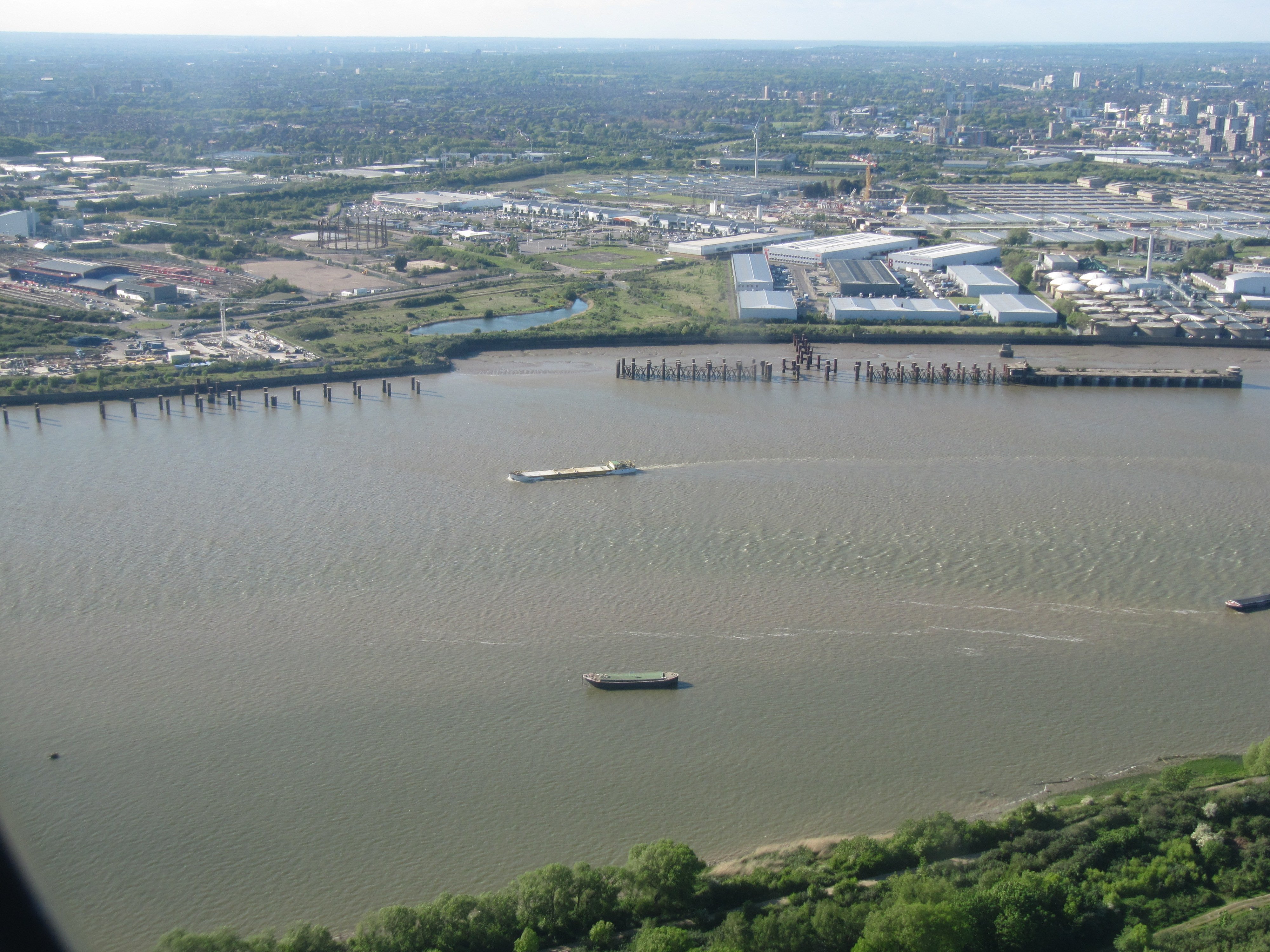
The GLA hearing report’s indicative tenure table totals 2,977 homes. St William’s Phase 1 applications concern approximately 12 hectares of the former Beckton gasworks. One seeks outline consent for mixed-use redevelopment; the other covers remediation and site preparation, including flood-defence works. The dwelling total is an indicative scheme figure, not a fixed construction programme.
The hearing addendum illustrates the detail still carried through the process. It updated the proposed odour condition so relevant later applications in affected areas would require revised modelling and mitigation, approved by the planning authority in consultation with Thames Water. This is a proposed control in the hearing documents, not evidence that those later requirements have already been satisfied.
GoSiteHunt analysis: make the next milestone explicit
For a site researcher, a useful planning record needs more than a green approval label. Write down the action still required and the document that would demonstrate its completion. A legal agreement, an issued notice and an approval of later details are different pieces of evidence. Keeping them separate makes the research easier to update and explain.
That approach also improves conversations with designers, agents and project partners. Instead of asking whether a project is simply approved, ask what has been decided, what remains conditional and which assumptions are provisional. A concise milestone list is more useful than a long file of documents with no explanation of their status.
GoSiteHunt analysis: read the site before the sale value
The combination of housing and site-preparation applications is a useful prompt to examine the work that makes development possible. When assessing a comparable opportunity, give access, servicing, ground conditions and enabling works their own evidence and cost assumptions. Do not let a headline dwelling count stand in for a delivery assessment.
Test the sequence as well as the total. Ask which tasks must happen before later design submissions, construction or occupation, and which dates are confirmed. Where an assumption is not settled, record it as a range or an open question. That is more informative than presenting a single completion year without its dependencies.
Finally, use the right housing product when looking at end values. An apartment proposal needs evidence relevant to its size, mix, tenure and specification. A large future scheme does not prove that neighbouring property prices will rise, or that another parcel can obtain the same outcome. The value of following this case is the chance to understand each documented step as it happens.
Read the official sources
Planning decision: . Source check: . Follow the original records for conditions, supporting documents and subsequent changes.
- London City Hall — Beckton Riverside hearing and recorded resolution ↗london.gov.uk
- GLA representation hearing report — proposal, site and indicative tenure table, pages 1, 8 and 27 ↗data.london.gov.uk
- GLA hearing addendum — proposed condition changes, 7 September 2026 ↗data.london.gov.uk
- London Datastore — official hearing pack, including draft notices and draft Section 106 agreement ↗data.london.gov.uk
About this story. The decision facts above come from the named official sources. Sections labelled GoSiteHunt analysis are our interpretation. A permission is specific to its site and conditions; it does not establish what another property can build or confirm that construction has begun.
Found a material update or correction? Contact GoSiteHunt with the article link and source.